The Magazine
Artist stories, art history, and close looks at the gallery's works. Every article cites its sources.
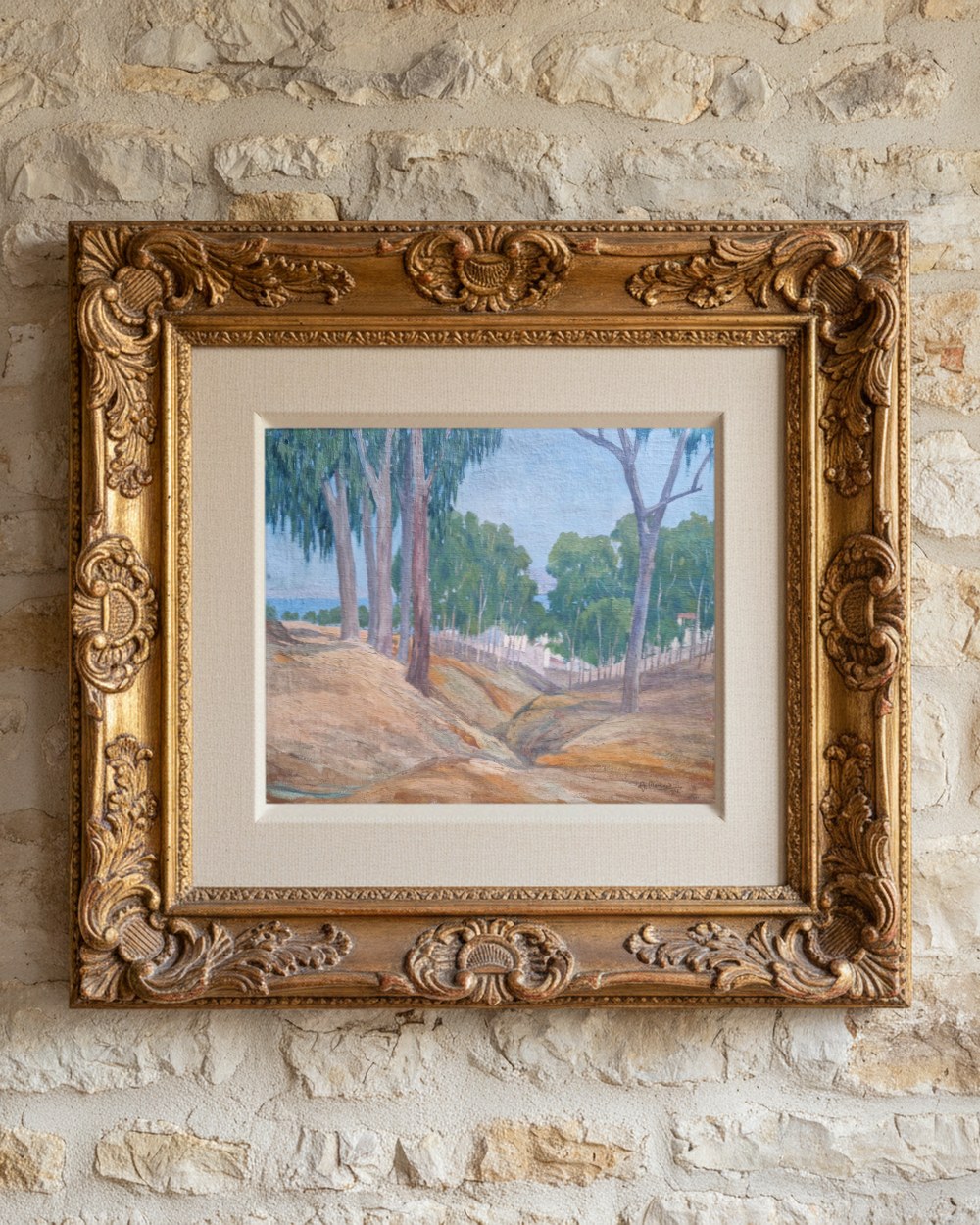
Beneath a painting, a few words: a name, a date, "oil on canvas," sometimes "attributed to" or "school of." These phrases are not decorative: in France, a 1981 decree fixes their meaning.
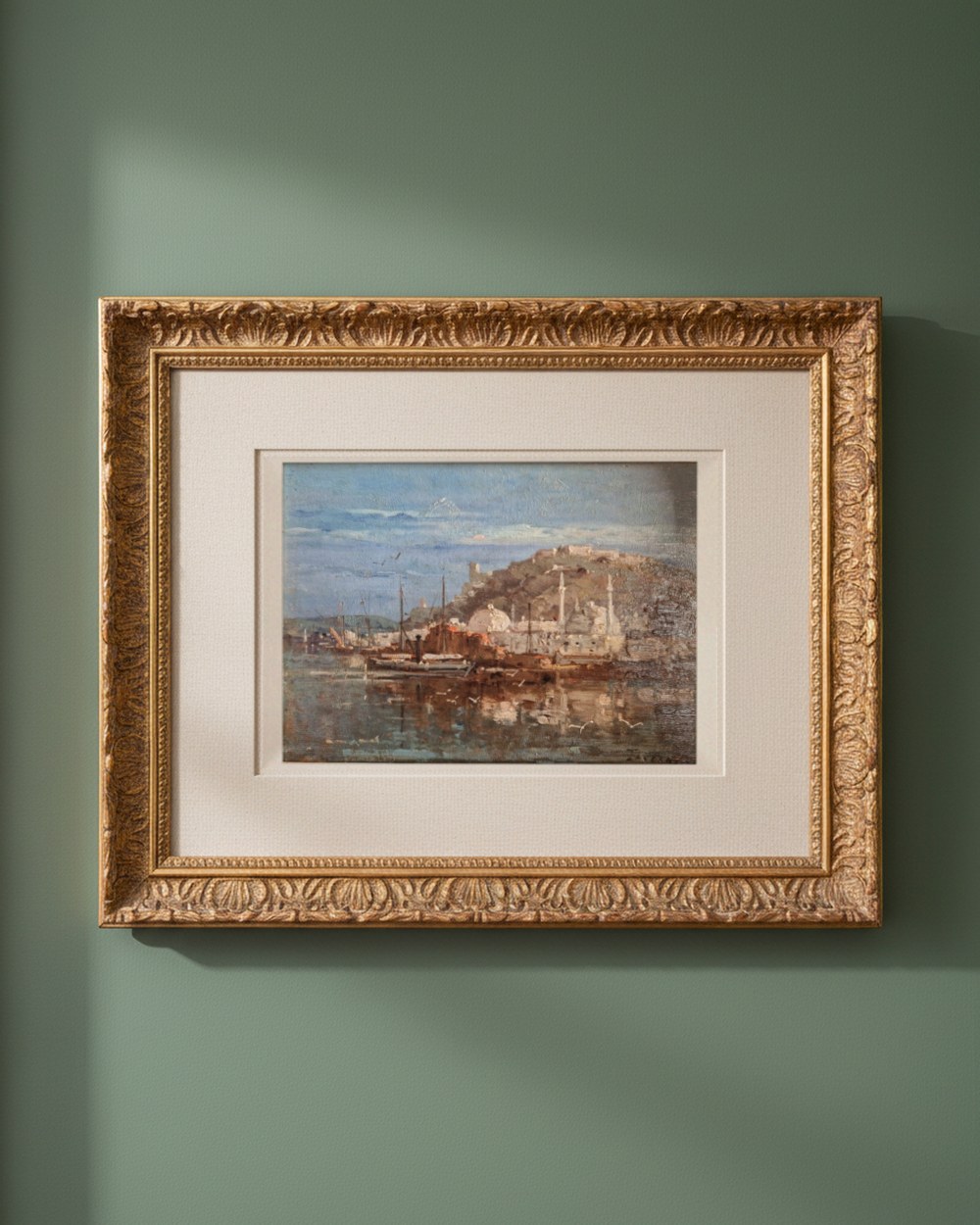
Before looking at what is painted, one can ask what it is painted on. A wooden board, a stretched canvas, cardboard: a painting's support carries the trace of an era, a way of working, sometimes a journey.
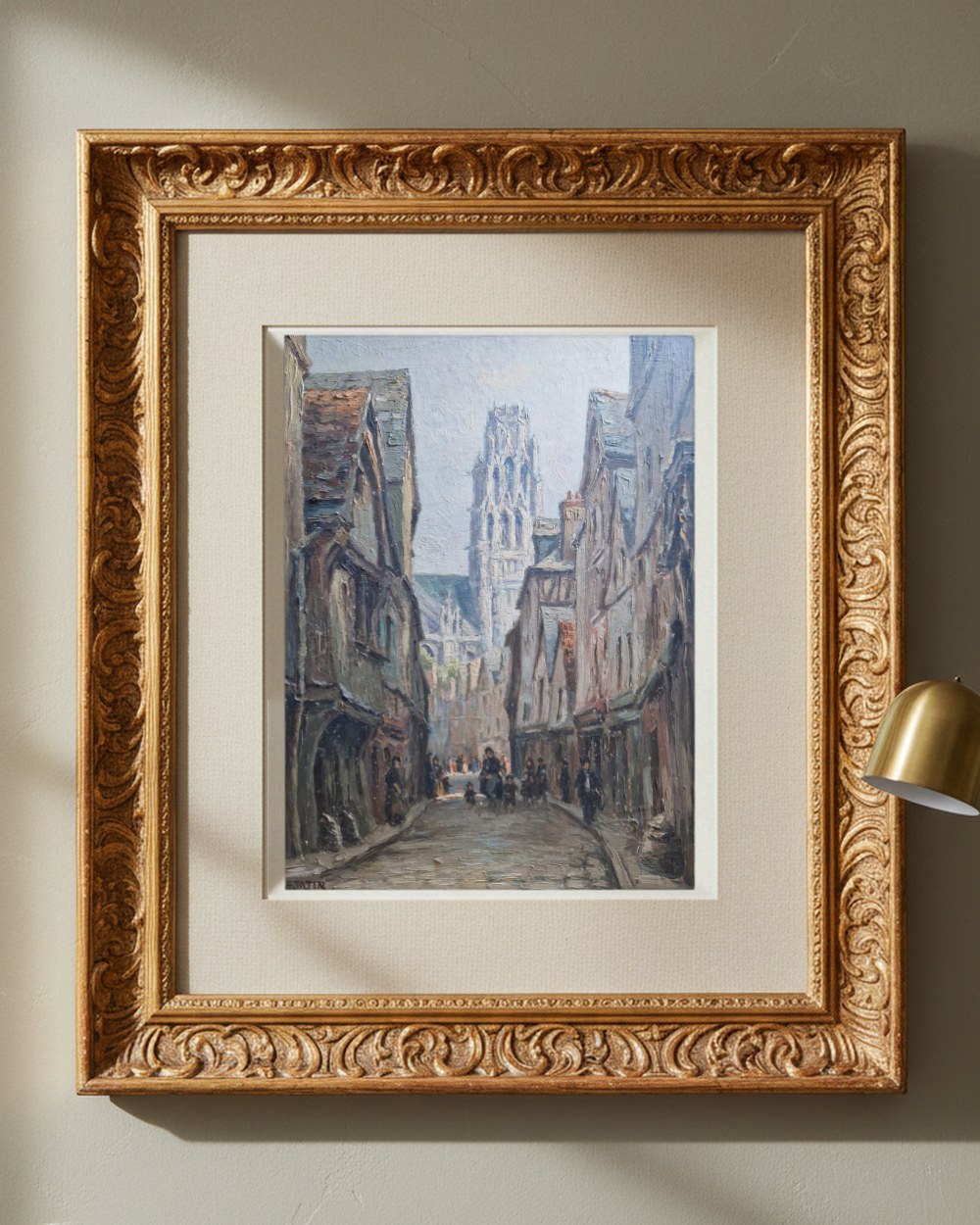
In 1892 and 1893, Claude Monet set up in front of the portal of Rouen Cathedral and painted it again and again, at every hour. What he was pursuing was not the stone, but what passes over it.
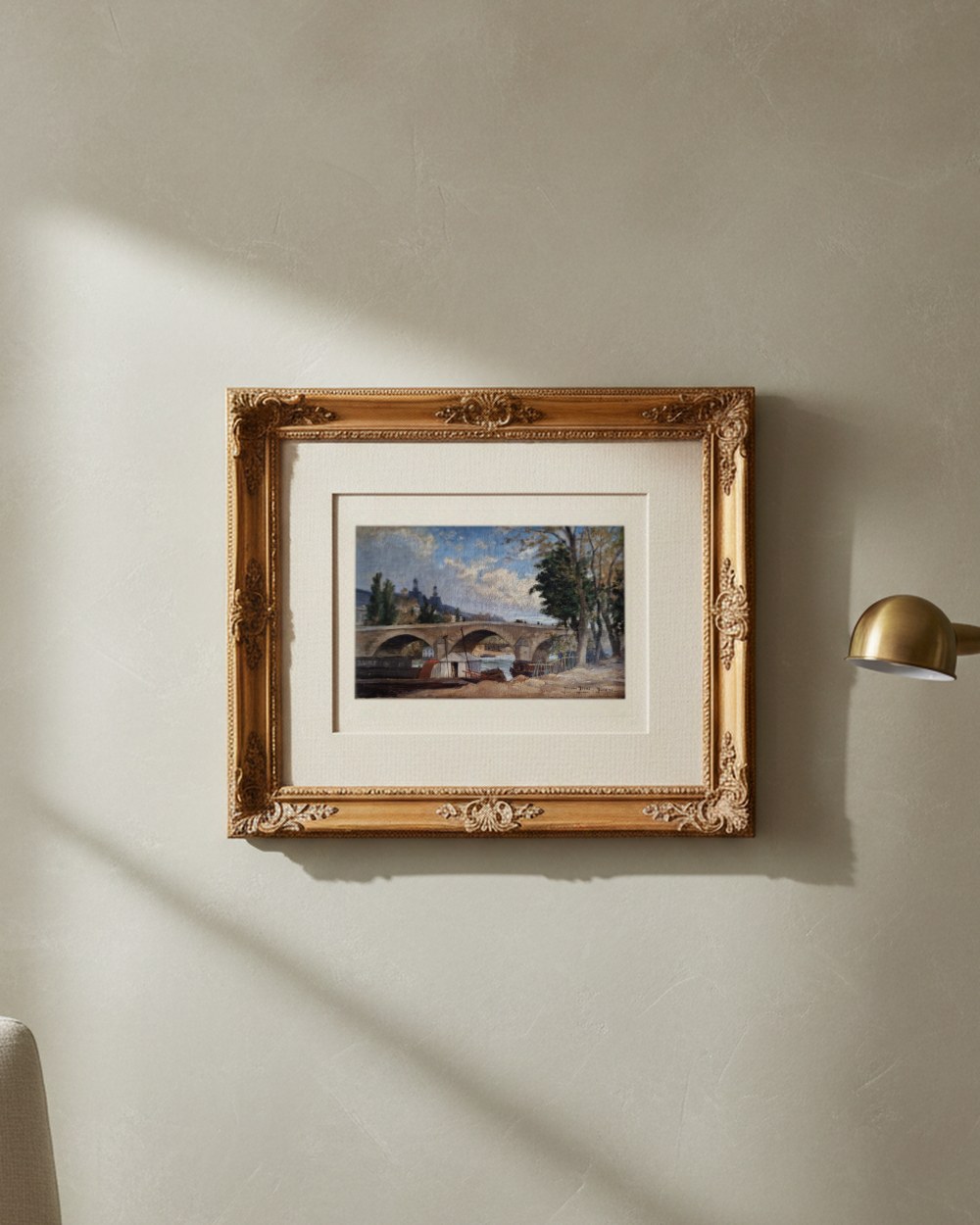
On 15 April 1874, thirty artists hung their own canvases in a studio on the boulevard des Capucines, outside the official Salon. A month later, they had gained a name, and lost money.
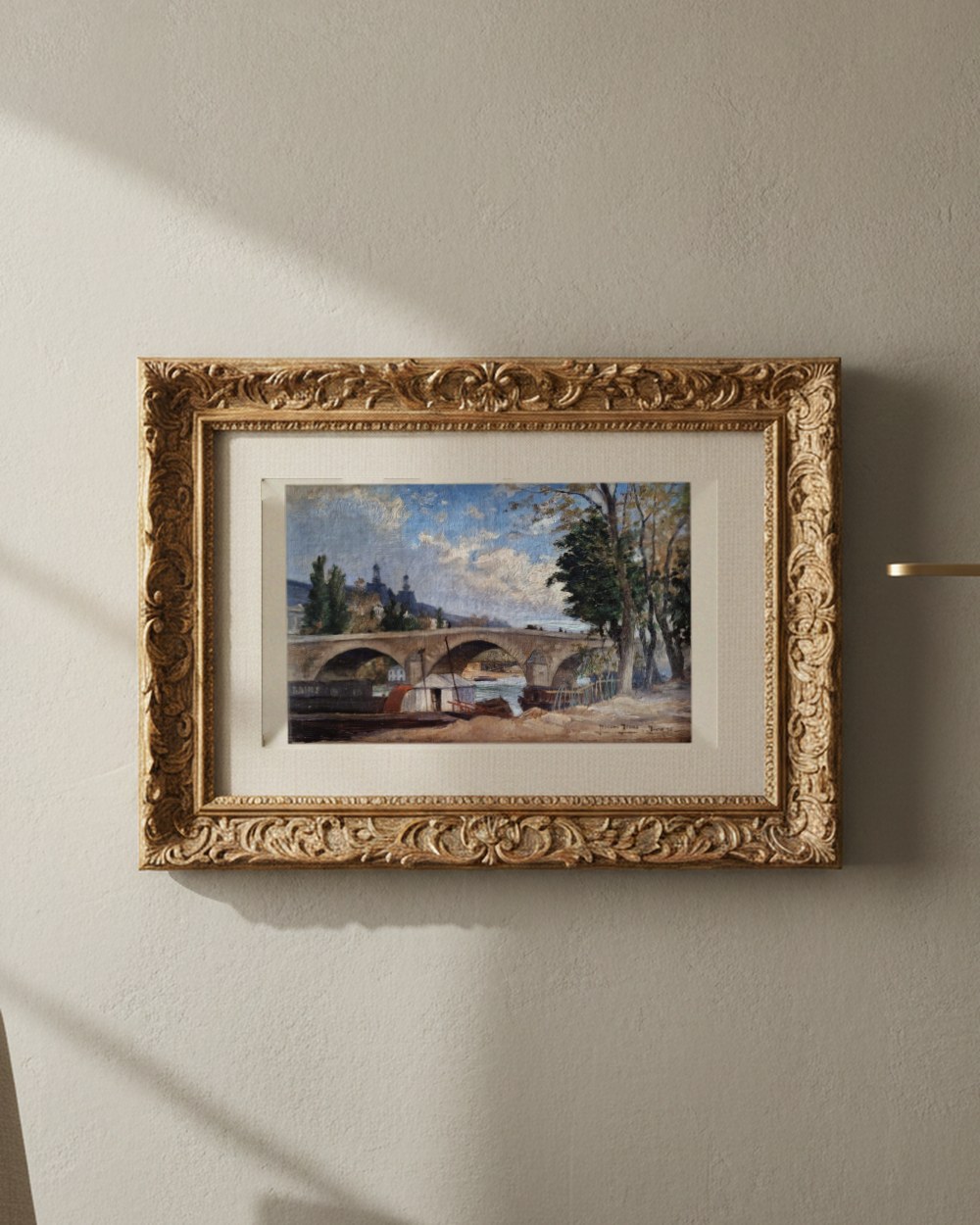
A friend of Manet, a neighbor of Sisley on the banks of the Seine, he was due to exhibit at Nadar's in 1874. His twelve canvases never arrived.
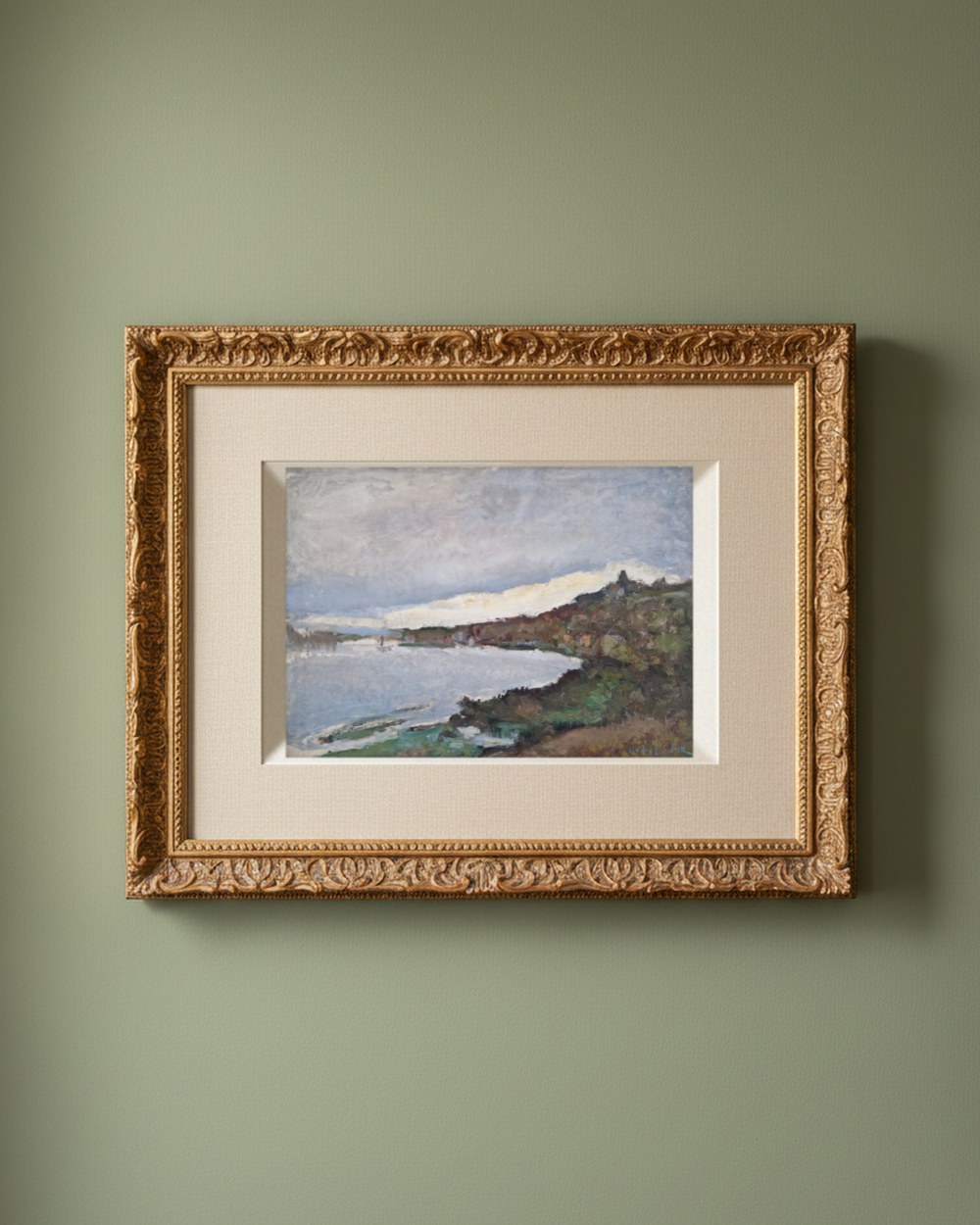
A friend of Debussy, introduced to Monet by the critic Gustave Geffroy, a familiar presence at Giverny: the path of a landscape painter at the heart of a prestigious circle.
The mother of volcanologist Haroun Tazieff moved through the 20th century as a revolutionary, a scientist, a poet's muse, and a resistance fighter — and she painted.